Dry Needling in Western Sydney
If you have been carrying a stubborn ache and it has not improved, dry needling is often what finally makes a difference. This is one of our most requested treatments and we consistently deliver fast results for our patients with additional back pain, neck tension, shoulder problems and sciatica.
We use it as part of a broader treatment plan, not as a standalone session. Combined with manual therapy and targeted exercise, the results last significantly longer. Most patients feel a genuine difference within 24 to 48 hours.
We use dry needling as part of a broader physiotherapy treatment plan, not as a standalone session. On its own it produces good results. Combined with manual therapy and a targeted exercise program, the results last significantly longer because we are addressing both the trigger point causing the pain and the underlying reasons it developed in the first place.
Dry needling is available at all three of our Western Sydney clinics. No referral is needed and same-day appointments are available most days.
What is Dry Needling?
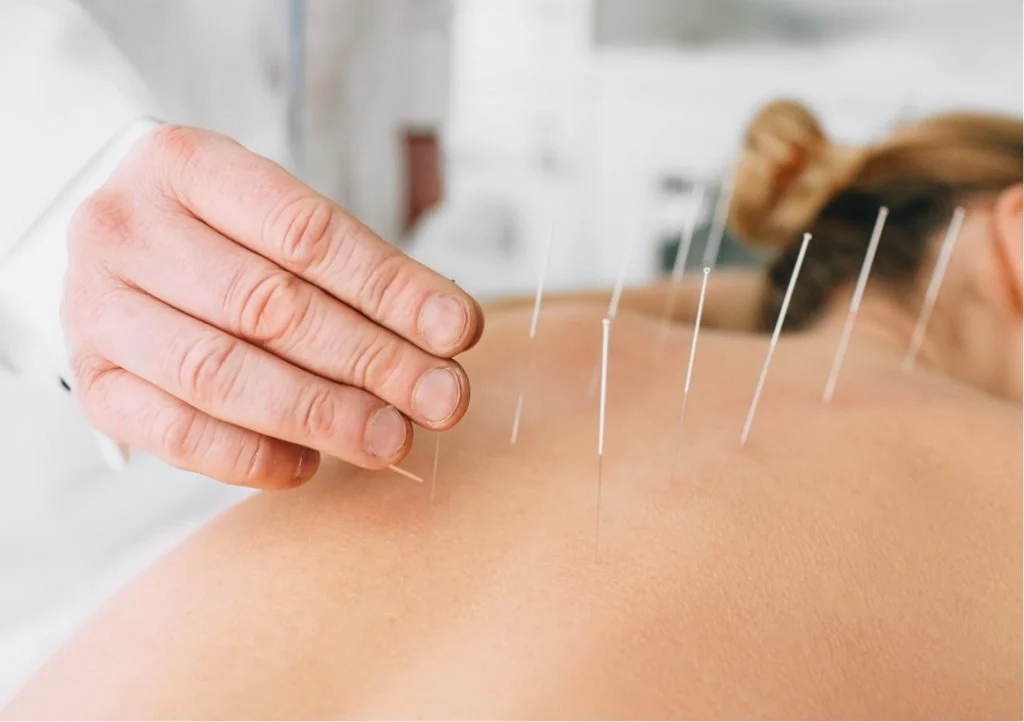
Dry needling uses a thin sterile needle inserted into a muscle trigger point — a tight, irritable knot that refers pain elsewhere. The needle creates a micro-stimulus causing the muscle to twitch and then release. That release reduces tension and the referred pain pattern. It is based on Western anatomy, which makes it clinically different from acupuncture despite the similar appearance.
The word dry simply means the needle contains no medication or injection. It is the physical stimulus of the needle itself that produces the therapeutic effect.
Dry Needling vs Acupuncture
They look the same with thin needles going into the body, but the clinical reasoning is completely different. Acupuncture is based on traditional Chinese medicine and energy pathways. Dry needling is based on Western anatomy and targets specific muscle trigger points to release tension.
A physiotherapist performing dry needling in Australia must hold a physiotherapy degree and complete post-graduate dry needling training. The approach is clinical and evidence-
What We Use Dry Needling For
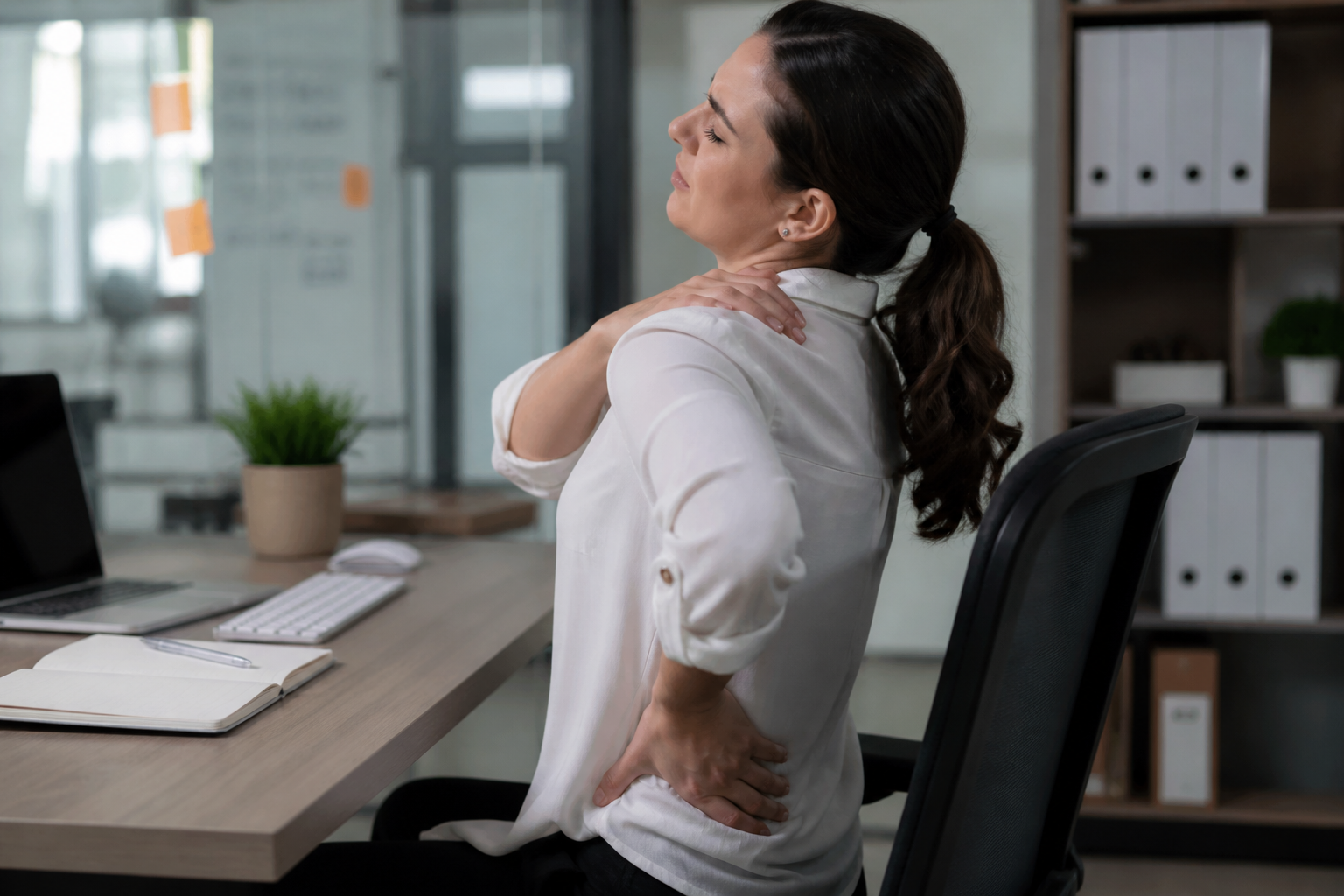
✅Back pain — Lumbar trigger points from lifting, physical work or sustained sitting.
✅Neck pain and headaches — Upper trapezius and suboccipital trigger points. A primary cause of cervicogenic headaches.
✅Sciatica — Piriformis trigger points that compress or mimic sciatic nerve pain.
✅Shoulder pain — Rotator cuff muscle tension and guarding limiting shoulder movement..
✅Sports injuries — Muscle strains, hamstring tightness and overuse accumulation.
✅Tennis elbow — Extensor muscle trigger points in the forearm from repetitive grip or racquet sport.
✅Calf and Achilles pain — Reduces muscle tension load going through the Achilles tendon.
What to Expect in a Session?
Here is what happens from start to finish:
Your physio explains which muscles they will treat and why — before any needling
Needles are single-use, sterile and very thin — finer than an injection needle
You may feel a brief dull ache when the needle reaches the trigger point — this is normal
A short muscle twitch (involuntary flick) is the goal — it means the trigger point has released
A session treats 2 to 6 trigger points depending on the area and how you respond
Some soreness for 24 to 48 hours after is normal — similar to post-training muscle soreness
Most patients feel the improvement 24 to 48 hours later, once the soreness settles
Who We See for Dry Needling
Dry needling works well for a wide range of presentations across our Western Sydney clinics:
Healthcare workers from Liverpool Hospital with neck and shoulder tension from patient handling
Logistics and warehouse workers from Moorebank with lower back trigger points from lifting
Desk workers and commuters with upper trapezius tension and tension-type headaches
Athletes managing muscle load from training and competition
Anyone with persistent pain that massage and stretching have not fully resolved
Dry Needling at Your Nearest Clinic
We have a dedicated physiotherapy page for each of our three Western Sydney clinics with location-specific information. Find the one closest to you:
Liverpool
Our main clinic on Moore Street close to Liverpool Hospital. Serving Liverpool, Casula, Moorebank, Warwick Farm and surrounding suburbs.
Parramatta
Our Parramatta clinic on Macquarie Street inside Jobfit Parramatta. Serving Parramatta, Westmead, North Parramatta, Harris Park and surrounding suburbs.
Eastern Creek
Our Eastern Creek clinic inside the Occupational Medicine Centre. Serving Mount Druitt, Rooty Hill, Minchinbury, Doonside and surrounding suburbs.
Book Your Appointment
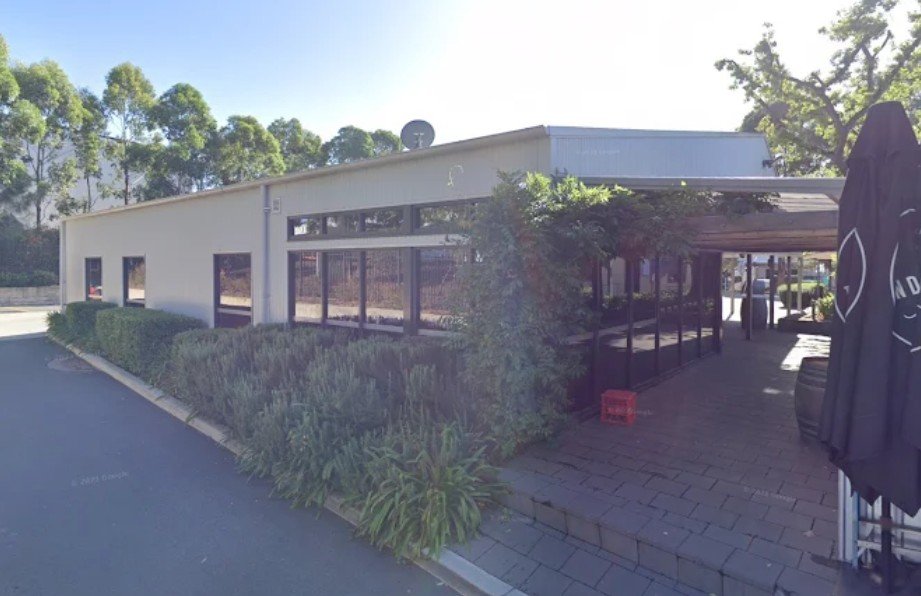
Vital Action Physio Liverpool
94 Moore Street, Liverpool NSW 2170
Inside Liverpool Medical Centre
Mon, Wed, Thu: 8:30am to 7:00pm | Tue: 8:30am to 6:00pm | Sat: 9:00am to 12:00pm
Vital Action Physio Parramatta
Suite 1, Level 1, 17-21 Macquarie Street, Parramatta NSW 2150
Inside Jobfit Parramatta. 6 min walk from Parramatta Station.
Vital Action Physio Eastern Creek
Shop 12/2A Southridge Street, Eastern Creek NSW 2766
Inside Eastern Creek Occupational Medicine Centre
Mon to Fri: 8:00am to 7:00pm | Sat: 8:00am to 1:00pm
Frequently Asked Questions
-
Most patients feel a brief dull ache or muscle twitch at the trigger point — not sharp pain. The sensation is very different from an injection. Your physio checks in throughout and works within your tolerance.
-
Dry needling targets specific muscle trigger points based on Western anatomy. Acupuncture targets energy meridians based on traditional Chinese medicine. Both use thin needles but the clinical intent and framework are completely different.
-
Many patients notice some change immediately after the session. The most significant improvement is usually felt 24 to 48 hours later, once the post-treatment muscle soreness has settled.
-
Acute trigger points often respond in 1 to 3 sessions. Chronic trigger points that have been present for months typically require 3 to 6 sessions as part of a broader treatment plan.
-
Yes. Dry needling performed by a physiotherapist is claimable under physiotherapy extras cover with most Australian private health funds.
-
No. Book directly at any of our three clinics for a private appointment.
Related Services
Dry Needling is often combined with other services across our Western Sydney clinics:
Physiotherapy: Hands-on treatment for back pain, injuries, and a recovery roadmap given by your professional physiotherapist.
Exercise Therapy: Personalised strength and mobility programs to build on your physiotherapy treatment.
Sports Injury Rehabilitation: Specialist sports physio for athletes at every level.
Workplace Injury Rehabilitation: Work Cover and CTP injury management from day one.
NDIS Physiotherapy: Goal-driven physiotherapy for NDIS participants across Western Sydney.